Source eco friendly moisturizing cigarette case for storage, travel, and gifts
Find 30 listings for the eco friendly moisturizing cigarette case from verified Chinese manufacturers. Compare metal and plastic options with varying capacities, custom engraving services, and waterproof features for retail or wholesale needs.
Key considerations
Products List

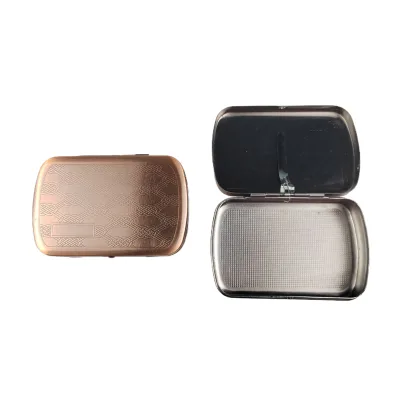
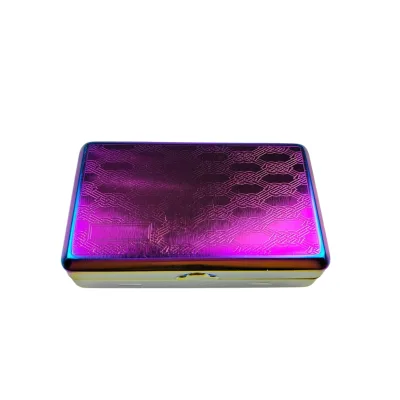


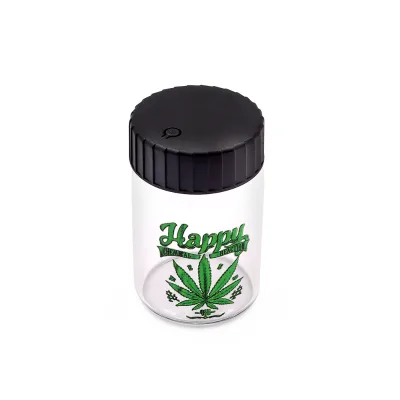
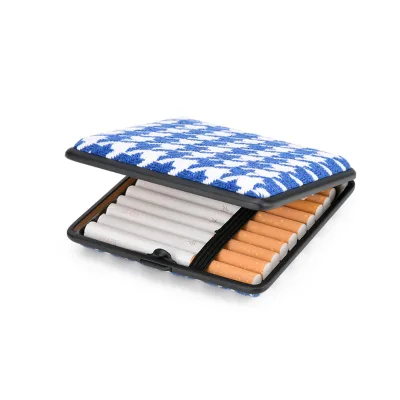


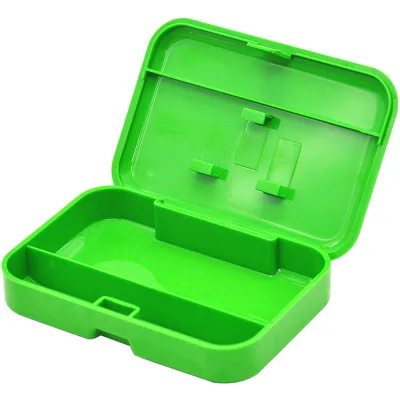
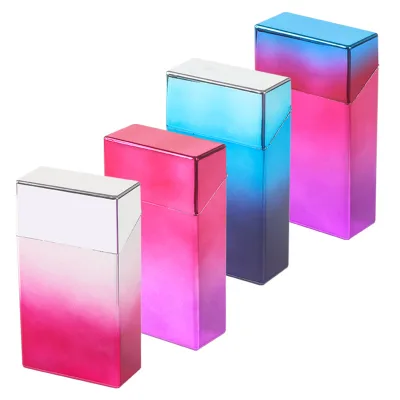


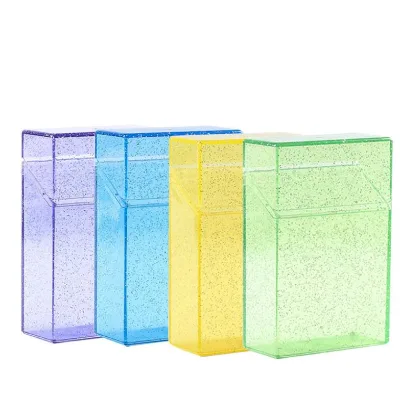


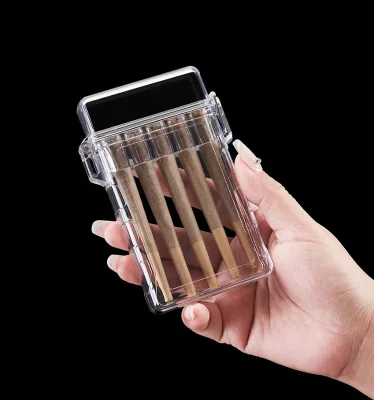
Comprehensive Sourcing Guide
Strategic Sourcing Guide for Eco-Friendly Moisturizing Cigarette Cases
Understanding the Product Category and Material Composition
When sourcing a product described as an eco-friendly moisturizing cigarette case, buyers must first reconcile the core keyword with the physical realities of the supply market. The term "moisturizing" in the context of cigarette storage is a functional descriptor often implying a specialized interior lining or a design feature intended to maintain the humidity of the tobacco, preventing it from drying out. However, the available market data indicates that the primary construction materials for these items are predominantly metal and plastic. Metal cases, often finished with paint or plating, offer superior durability and a classic aesthetic, while plastic variants provide lightweight alternatives. The "eco-friendly" attribute observed in the supply chain typically refers to the recyclability of the base materials, such as metal or specific polymers, rather than a biological decomposition process.
Buyers should note that the product specifications vary significantly in dimensions, ranging from compact sizes like 805425MM to larger formats such as 1127030MM. The capacity of these cases also fluctuates, with observed ranges accommodating between 10 and 20 pieces of tobacco. This variance suggests that the "moisturizing" claim is not a universal standard but a specific feature of certain models, likely dependent on the internal cavity design or the inclusion of a humidifying element that is not explicitly detailed in standard material lists. Consequently, the procurement strategy must begin with a clear definition of the internal mechanism required to achieve the moisture retention, as the external shell material alone does not guarantee this function.
Technical Specifications and Dimensional Variability
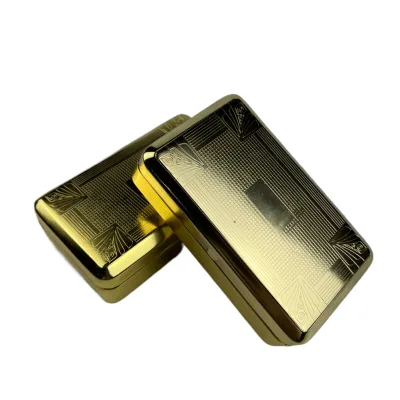
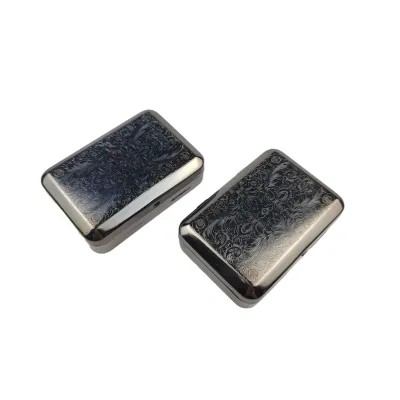
The technical landscape of cigarette cases is defined by a high degree of customization and dimensional diversity. The observed product models include specific identifiers such as BOX6, BOX12, BOX5, and BOX9, each associated with distinct dimensions and finishes. For instance, one model is specified as 986826MM with a "Gun Black" finish, while another measures 1006227MM. These precise measurements are critical for buyers who need to ensure the case fits specific packaging requirements or retail display constraints. The shape is predominantly square, which offers a modern, sleek appearance, though the "Classic" design style is also available, catering to traditional preferences.
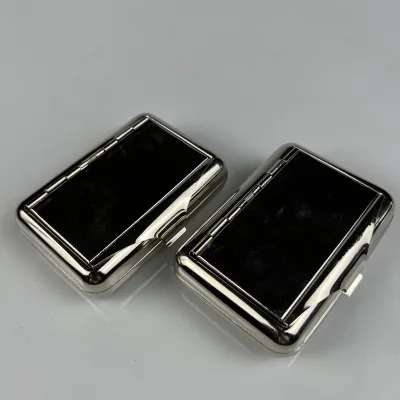
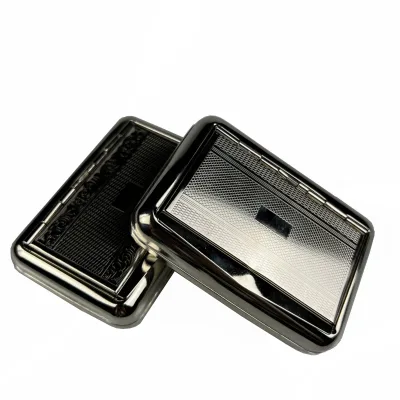
Surface finish is another critical technical specification. The data indicates that metal cases often undergo a painting process, while others may feature plating. The "Engraving" logo craft is a standard customization option, allowing for brand identity integration. Buyers must verify the single package size, which is listed variably as "XX cm" in some records, indicating that this data point requires direct confirmation from the supplier. Furthermore, the product standard often references physical dimensions like 121mm or 86mm, which likely correspond to the length of the case or the specific model series. Understanding these technical nuances is essential for creating a product specification sheet that aligns with the buyer's quality expectations and logistical needs.
Compliance, Certification, and Environmental Claims
The "eco-friendly" and "recyclable" attributes found in the product descriptions are significant selling points, yet they require rigorous verification. In the absence of specific certification data in the provided context, buyers cannot assume that a product meets international environmental standards such as ISO 14001 or specific plastic recycling codes without explicit confirmation. The observed features list attributes like "Eco-Friendly," "Durable," "Waterproof," and "Reusable," which are marketing claims that must be substantiated through documentation.
Buyers should request proof of material composition, specifically asking for the percentage of recycled content in plastic models or the recyclability certification for metal components. Since the products originate from China, specifically Zhejiang, and are shipped via major couriers like DHL, UPS, and FedEx, the supply chain's carbon footprint is a relevant consideration. However, without specific test results or third-party audit reports, the "eco-friendly" label should be treated as a supplier assertion rather than a verified fact. Compliance checks must also extend to the materials used for the interior lining, ensuring they are food-grade or safe for tobacco contact, as this is a regulatory requirement in many jurisdictions.
Cost Drivers and Minimum Order Quantity Analysis
The pricing structure for cigarette cases is influenced by material costs, customization levels, and order volume. The observed price range in the market spans from 0.01 to 2.8 USD, a wide variance that reflects differences in material quality, finishing techniques, and order size. The Minimum Order Quantity (MOQ) is a critical cost driver, with observed ranges from 2 to 200,000 units. A specific model indicates an MOQ of 1000 pieces, which is a common threshold for custom metal cases with engraving.
For buyers seeking "moisturizing" features, the cost may be higher due to the complexity of the internal mechanism. The "Sample Time" of 5-7 days after design confirmation suggests that customization adds a layer of time and cost to the procurement process. Buyers should anticipate that lower MOQs will result in a higher unit cost, while larger orders may leverage economies of scale to reduce the price per unit. Additionally, the shipping method, whether DHL, UPS, or FedEx, will impact the landed cost, particularly for small orders where shipping fees constitute a significant portion of the total expense.
Supplier Evaluation and Service Capabilities
Evaluating suppliers requires a focus on their ability to handle OEM and ODM services. The data confirms that suppliers in this category accept OEM and ODM requests, allowing for significant customization of the product's appearance, logo, and potentially internal features. The "Huangrun" brand name appears in the context, indicating that established manufacturers are present in the supply chain. However, buyers should not rely on a single brand name but rather evaluate the supplier's overall capability to meet specific design requirements.
Key evaluation criteria include the supplier's experience with metal and plastic processing, their quality control processes, and their ability to maintain consistent dimensions. The "Target People" for these products include owners of hookah shops, headshops, and smokeshops, suggesting that the supplier should have experience serving the tobacco and smoking accessory retail sector. Buyers should verify the supplier's capacity to handle the required volume, as the observed capacity ranges from 10 to 20 pieces per unit, which may influence production scheduling. Additionally, the availability of a "Classic" design style alongside modern square shapes indicates a supplier with versatile design capabilities.
Quality Control and Long-Term Procurement Considerations
Quality control for cigarette cases must address both the exterior finish and the functional integrity of the moisture-retention mechanism. The observed features highlight "Waterproof" and "Durable" characteristics, which are essential for protecting the contents from environmental factors. Buyers should implement a quality control plan that includes visual inspections for surface defects, such as paint inconsistencies or engraving errors, and functional tests to ensure the case opens and closes smoothly. For the "moisturizing" claim, a specific test protocol should be established to verify that the internal environment maintains the desired humidity levels over time.
Long-term procurement considerations involve the stability of the supply chain and the ability to scale production. The "Single gross weight" of 0.0 kg in some records suggests a data inconsistency that buyers must clarify, as accurate weight data is crucial for logistics planning. Buyers should also consider the "Selling Units" structure, which is listed as a single item, to ensure that packaging aligns with retail requirements. Finally, the "Sample Time" of 5-7 days highlights the need for early planning in the procurement cycle to avoid delays in product launch. By maintaining a robust relationship with suppliers and continuously monitoring quality metrics, buyers can ensure a steady supply of high-quality, eco-friendly cigarette cases that meet market demands.
Comparative Analysis of Product Models
To assist in the decision-making process, the following table summarizes the key specifications observed across different models in the supply chain. This comparison highlights the diversity in dimensions, materials, and features available to buyers.
| Model Identifier | Dimensions (MM) | Material | Surface Finish | Capacity | Key Features |
|---|---|---|---|---|---|
| BOX6 imitate box | 1127030 | Metal | Painted | 16-20pcs | Durable, Waterproof, Portable |
| BOX12 Gun Black | 986826 | Metal | Plating | 16-20pcs | Eco-Friendly, Reusable |
| BOX5 hook | 805425 | Metal | Plating | 10-20pcs | Convenient, Waterproof |
| BOX9 Bronze | 1006227 | Metal | Painted | 16-20pcs | Durable, Portable |
| BOX1 Colorful | 986826 | Metal | Colorful | 10-20pcs | Recyclable, Classic Design |
| Gt-055g | 121mm (Length) | Plastic | N/A | 20pcs | Eco-Friendly, Reusable |
| Ca118 | 86mm (Length) | Plastic | N/A | 10pcs | Durable, Waterproof |
This table illustrates that while the core function remains consistent, the execution varies by model. Buyers must select the model that best aligns with their specific requirements for size, material, and aesthetic finish. The presence of both metal and plastic options allows for flexibility in addressing different market segments, from premium metal cases to more affordable plastic alternatives.
FAQs
How can I verify the eco-friendly claims for these cigarette cases?
Buyers must request proof of material composition to verify eco-friendly claims. The observed features list recyclability, but specific certification data is not provided in the context. Without third-party audit reports, these labels should be treated as supplier assertions rather than verified facts.
What dimensions are available for metal cigarette case models?
Metal models come in various sizes such as 112*70*30MM and 98*68*26MM. Specific models like BOX6 and BOX12 have distinct measurements. Buyers should verify single package sizes directly with suppliers as some records list this data as variable or unspecified.
Which customization options are available for logo and design?
Suppliers offer logo engraving and accept OEM and ODM services. The design style can be classic or square, and colors are available as pictured. Customization adds a sample time of 5-7 days after design confirmation, impacting the overall procurement timeline.
Can I find cigarette cases with a capacity of 20 pieces?
Yes, certain models accommodate up to 20 pieces of tobacco. Observed capacities range from 10 to 20 pieces depending on the specific model. Buyers should confirm the exact capacity for their chosen model to ensure it meets their storage requirements.
How does the MOQ affect the unit price for these cases?
The MOQ ranges from 2 to 200,000 units, influencing the unit cost significantly. A specific model indicates an MOQ of 1000 pieces. Lower order volumes typically result in higher unit costs, while larger orders leverage economies of scale to reduce the price per unit.
What surface finishes are applied to the metal cigarette cases?
Metal cases often undergo a painting process or feature plating. Specific models are listed with finishes like Gun Black or Bronze. Buyers must verify the single package size and surface finish details directly with the supplier to ensure they meet quality expectations.
Which shipping methods are used for delivering these products?
Products are shipped via major couriers including DHL, UPS, and FedEx. The shipping method impacts the landed cost, especially for small orders where fees are significant. Buyers should account for these logistics costs when calculating the total procurement expense.